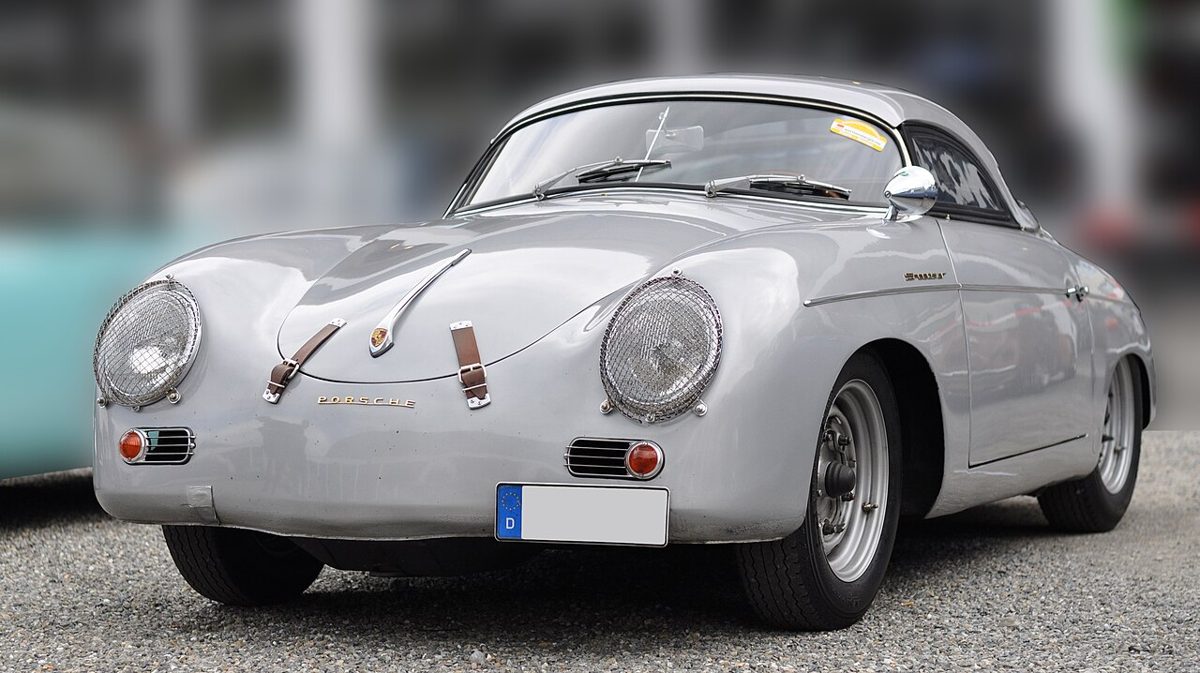
Porsche AG is a name synonymous with engineering precision and sporting pedigree, a manufacturer that has spent over seven decades defining the high-performance landscape. Founded by Professor Ferdinand Porsche and brought to prominence by his son, Ferry, the Stuttgart-based firm evolved from a small design consultancy into a global powerhouse. Central to the Porsche legend is the concept of air-cooling—a simple, robust, and lightweight method of thermal management that powered every production Porsche from the very first hand-beaten aluminum prototype in 1948 until the final 993 rolled off the line in 1998. This era, defined by the mechanical hum of an engine-driven fan and the smell of hot oil, represents the golden age of the brand for enthusiasts who value visceral connection over modern refinement.
The Birth of an Icon: Gmünd and the 356
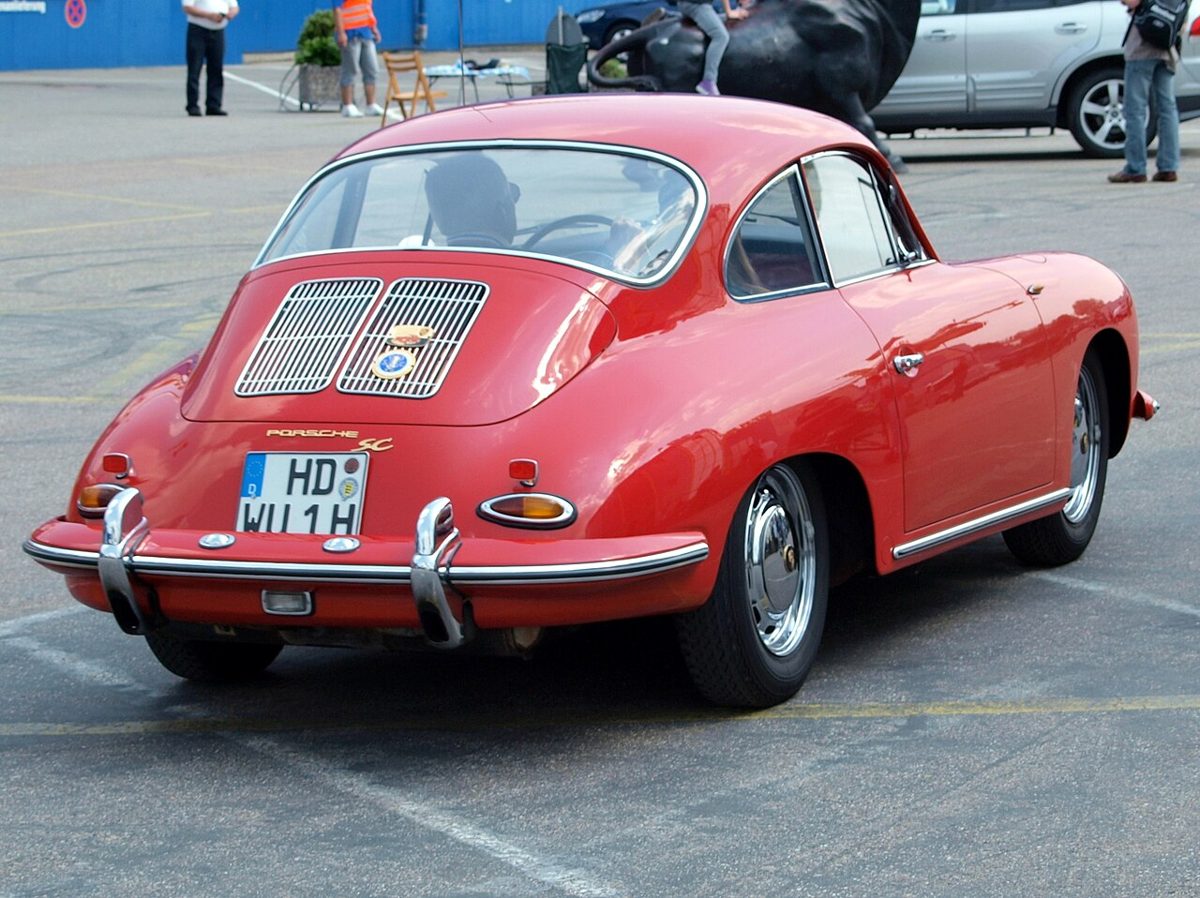 The story of Porsche as a car manufacturer begins not in a gleaming factory, but in a converted sawmill in Gmünd, Austria. Following the turmoil of World War II, Ferry Porsche set out to build the car he couldn't find: a small, lightweight, and efficient sports car based on the rugged mechanicals of the Volkswagen Beetle. The result was the 356-001, a mid-engine roadster, but it was the rear-engine production versions that would set the template for the future. Between 1948 and 1950, approximately 52 "Gmünd" coupés were hand-built with aluminum bodies before production moved back to Zuffenhausen, Germany. These early cars utilized a 1.1-liter air-cooled flat-four engine producing a modest 35 to 40 horsepower, yet their low drag coefficient and light weight made them formidable on the road and track alike.
Racing Heritage: The 550 Spyder and 904 Carrera GTS
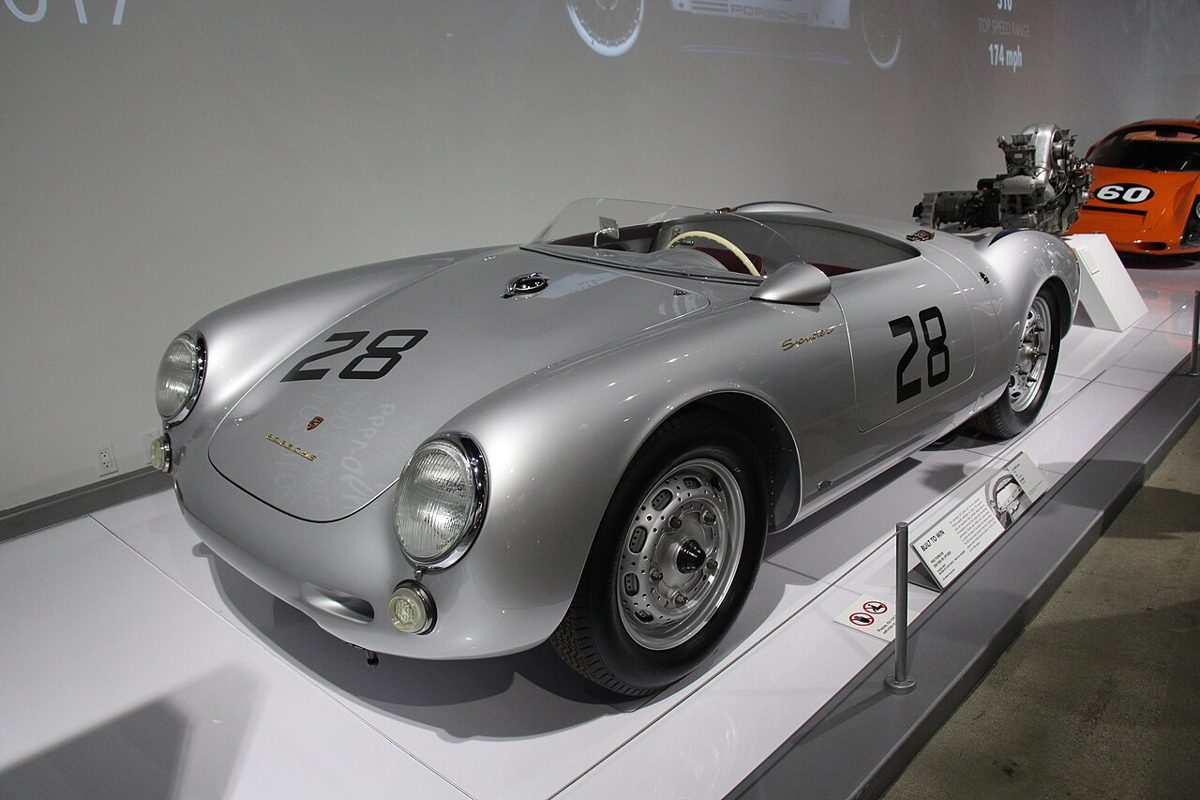 While the 356 was winning hearts on the street, Porsche was busy forging a reputation for giant-killing performance on the track. The 550 Spyder, introduced in 1953, was the company’s first purpose-built race car. Built on a lightweight ladder frame and powered by the 1.5-liter four-cam Fuhrmann engine, the 550 was famously known as the "Giant Killer" for its ability to outpace cars with much larger displacements. Its mid-engine layout provided exceptional balance, a trait that would define Porsche’s racing philosophy for decades. It was a 550 Spyder that carried Hans Herrmann to a class win at the 1954 Carrera Panamericana and, most notoriously, was the car in which Hollywood icon James Dean met his untimely end.
The 911 Revolution: Air-Cooled Perfection
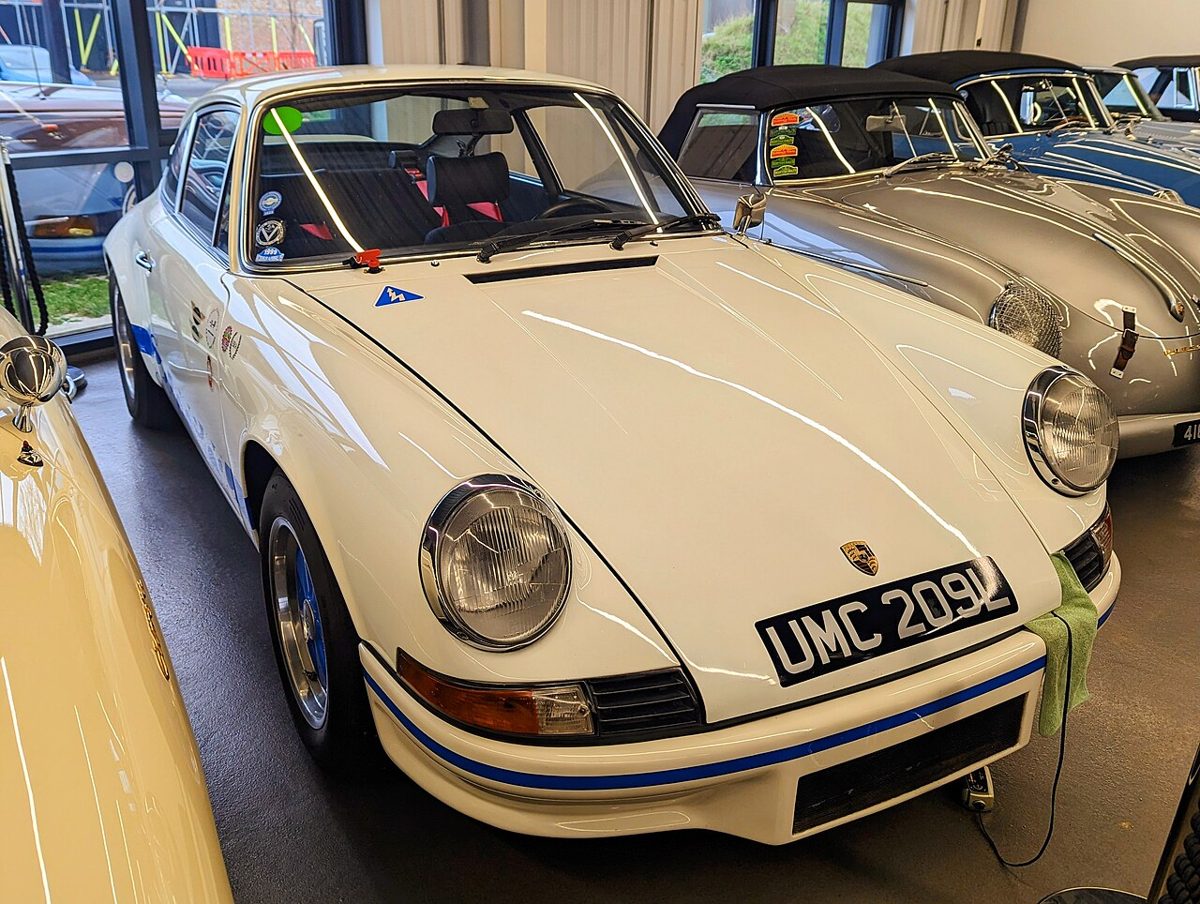 By the early 1960s, the 356 was reaching the limits of its development. Porsche needed a larger, more powerful successor that could accommodate more luggage and offer better performance without losing the air-cooled soul of the brand. In 1963, at the Frankfurt Motor Show, Porsche unveiled the 901. After a naming dispute with Peugeot, the car was renamed the 911, and a legend was born. The heart of the 911 was an entirely new 2.0-liter air-cooled flat-six engine. Designed by Hans Mezger, this engine featured a dry-sump oil system and an overhead camshaft design that allowed for higher revs and greater tuning potential than the old pushrod four-cylinders.
Expanding the Lineup: The 912 and 914
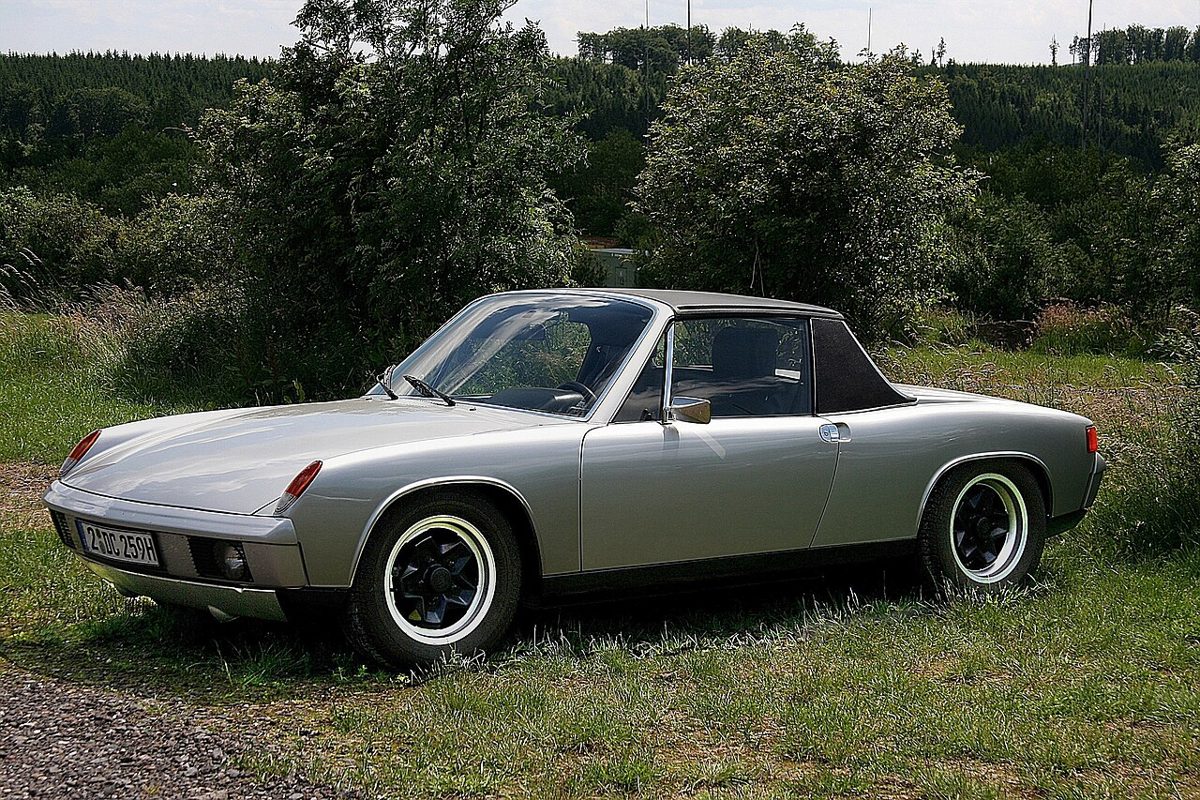 The transition from the 356 to the 911 was a significant jump in price, which risked alienating Porsche’s core customer base. To bridge this gap, Porsche introduced the 912 in 1965. Essentially a 911 body and chassis powered by the 1.6-liter flat-four from the 356 SC, the 912 offered the same iconic silhouette and handling balance at a much lower cost. In its first few years, the 912 actually outsold the 911, providing the financial lifeline Porsche needed to continue developing the more expensive six-cylinder platform. While it lacked the top-end rush of the flat-six, the 912 was praised for its lighter weight and superior front-to-rear balance.
Dominating the World: The 917 and Turbocharging
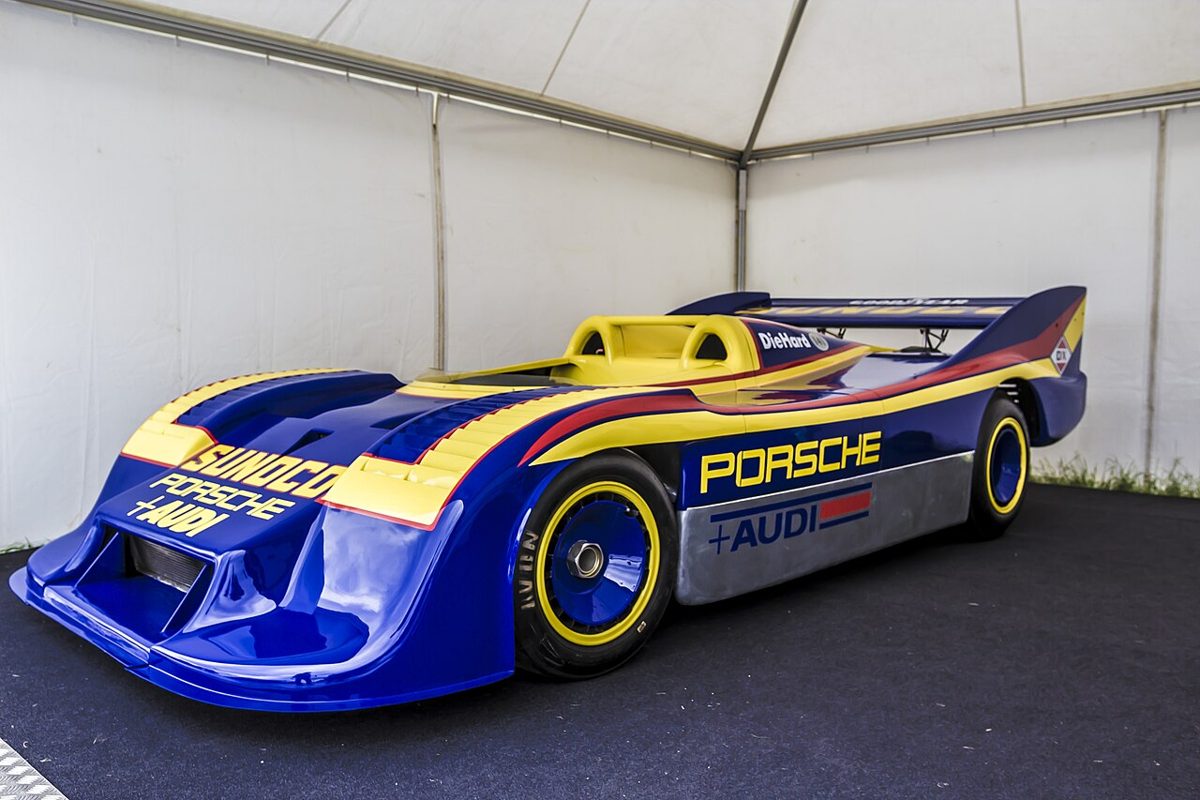 If the 1960s were about establishing the 911, the 1970s were about Porsche’s absolute dominance of international motorsport. The 917 is perhaps the most famous race car ever built, a machine that gave Porsche its first overall wins at Le Mans in 1970 and 1971. Powered by a massive air-cooled flat-12 engine that grew from 4.5 to 5.0 liters, the 917 was a monster of engineering. In its "Short Tail" (K) and "Long Tail" (LH) configurations, it conquered the Mulsanne Straight at speeds exceeding 240 mph. When rule changes pushed the 917 out of European endurance racing, Porsche took it to the North American Can-Am series, where the turbocharged 917/10 and 917/30 produced over 1,100 horsepower, earning the nickname "The Can-Am Killer."
The G-Series: A Legacy Cemented
 The longest-running chapter in the 911’s history began in 1974 with the introduction of the G-Series. Required to meet new US crash safety standards, the G-Series featured prominent "impact bumpers" with accordion-style rubber bellows. While the looks were polarizing at first, the G-Series would define the 911 for the next 15 years. This era saw the introduction of the 911 SC (Super Carrera) in 1978, which standardized the 3.0-liter engine and served as the backbone of the lineup for years. Porsche even considered replacing the 911 with the front-engine 928 during this time, but CEO Peter Schutz famously intervened, extending the 911’s life and authorizing the development of the 3.2 Carrera.
Technological Leap: The 964 Generation
As the 1980s drew to a close, Porsche faced a difficult challenge: the 911’s basic architecture was over 25 years old. To keep the car competitive, Porsche launched the 964 generation in 1989. While it looked similar to the G-Series, Porsche claimed that 85 percent of the car was new. The 964 introduced modern amenities such as power steering, ABS brakes, and a retractable rear spoiler that preserved the car’s clean lines at low speeds. Most significantly, the 964 debuted the Carrera 4, the first production 911 with all-wheel drive, utilizing technology derived from the legendary 959 supercar. Under the rear deck sat a new 3.6-liter version of the air-cooled flat-six, producing 247 horsepower. The 964 also replaced the traditional torsion bar suspension with a more modern coil-spring setup, significantly improving ride quality and handling stability. Though it was produced for a relatively short time (1989–1994), the 964 was a vital bridge between the analog past and the digital future. It offered a level of refinement previously unknown in the 911 while retaining the signature air-cooled sound and character. For many, the 964 represents the point where the 911 became a truly usable everyday supercar.The Final Air-Cooled Masterpiece: The 993
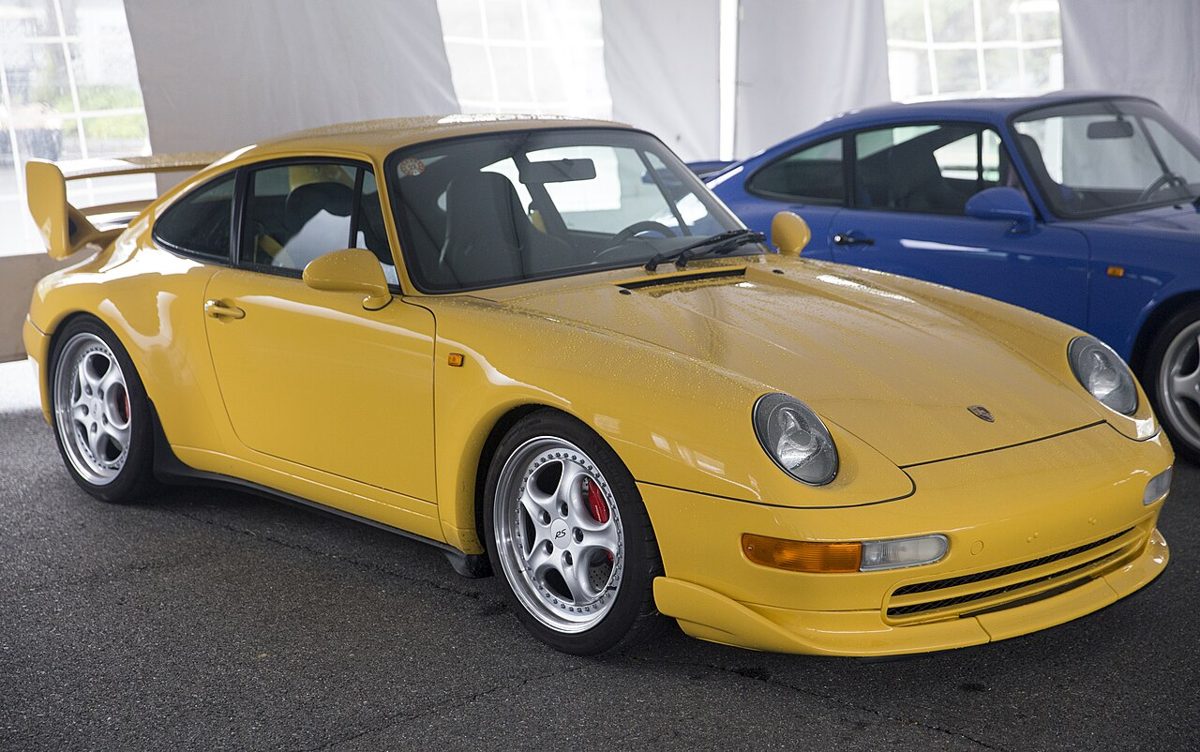 The air-cooled era reached its zenith in 1993 with the introduction of the 993. Widely considered by purists to be the most beautiful 911 ever made, the 993 featured a sleek, integrated design with flatter headlights and a wider stance. Beneath the skin, the changes were even more profound. The 993 introduced the "LSA" (Lightweight, Stable, Agile) multi-link rear suspension, which finally tamed the 911’s tricky handling characteristics. This "Weissach" axle allowed the rear wheels to steer slightly under load, providing a level of cornering stability that had eluded previous generations.
Image credits
- Porsche 356 Speedster (COVER) — Thilo Parg, CC BY-SA 3.0
- Porsche 356 C Coupe — Alf van Beem, CC0
- Porsche 550 Spyder — Sicnag, CC BY 2.0
- Early Porsche 911 (1965) — Calreyn88, CC BY 4.0
- Porsche 914 — Lothar Spurzem, CC BY-SA 2.0 Germany
- Porsche 917/30 Can-Am — big-ashb, CC BY 2.0
- Porsche 911 G-Series — Giftzwerg 88, CC BY-SA 3.0
- Porsche 993 Carrera RS — Mr.choppers, CC BY-SA 3.0