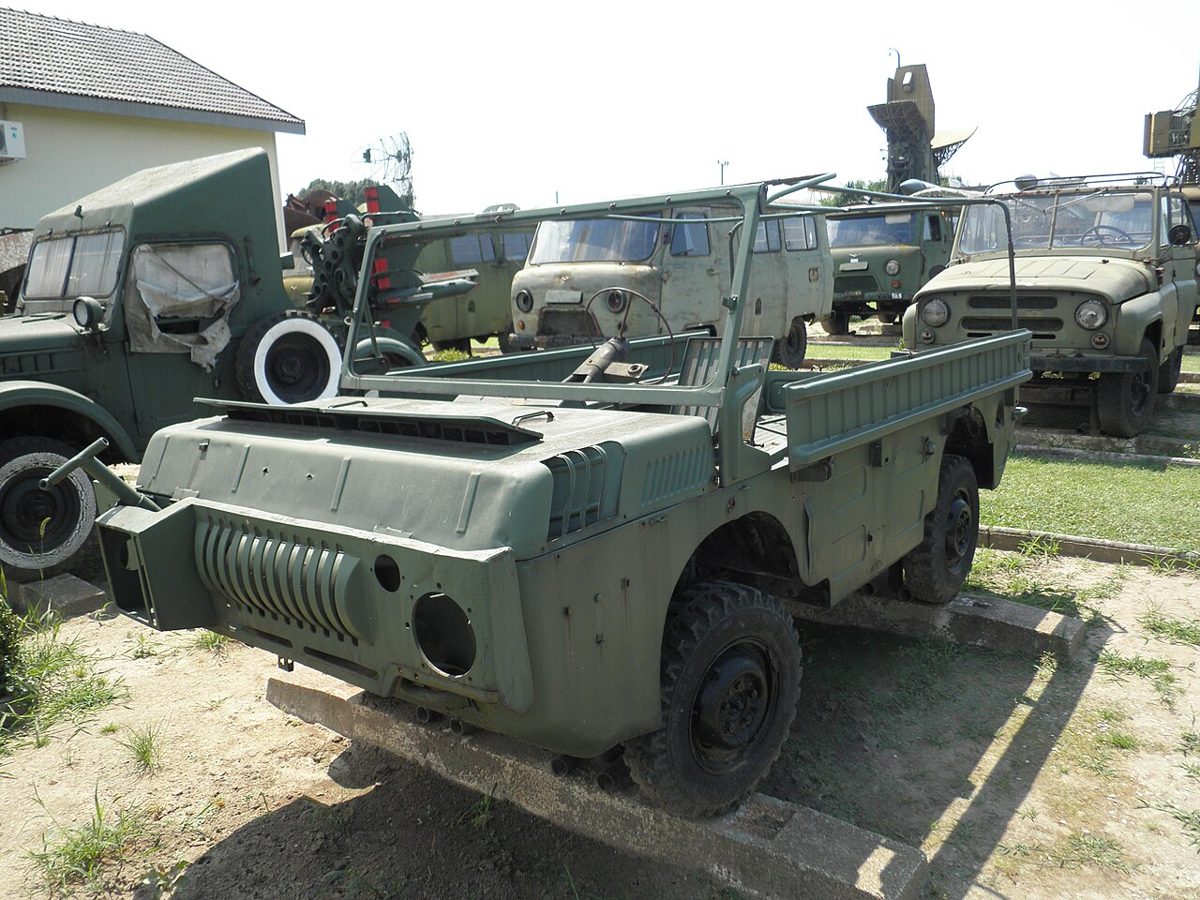
The Lutsk Legend: A Soviet Air-Cooled Enigma
When most automotive enthusiasts think of air-cooled legends, their minds immediately drift to the winding roads of Stuttgart or the sunny beaches of California, where Porsches and Volkswagens have long held court. However, deep within the historical archives of the Soviet Union and modern-day Ukraine lies a far more rugged, utilitarian, and fascinating story. It is the story of LuAZ—the Lutsk Automobile Plant—and its remarkable family of air-cooled, off-road vehicles that defied the conventions of Eastern Bloc engineering. To the uninitiated, a LuAZ might look like a boxy, somewhat primitive relic of a bygone era. But to the air-cooled addict, it represents a pinnacle of weight-efficient design, mechanical simplicity, and sheer go-anywhere capability that puts many modern SUVs to shame. The LuAZ vehicles weren't just cars; they were tools, designed to survive in conditions that would destroy a standard passenger vehicle in minutes.
The LuAZ story is inextricably linked to the MeMZ engine, a V4 air-cooled powerplant that served as the heart of both the LuAZ off-roaders and the more famous ZAZ Zaporozhets passenger cars. This shared DNA created a unique niche in the global automotive landscape: a family of dedicated 4x4 vehicles powered by an engine configuration more commonly associated with motorcycles or economy cars. For decades, LuAZ vehicles were the backbone of rural Soviet life and specialized military operations, navigating mud, snow, and water where larger, heavier vehicles would surely founder. Today, they are prized by collectors who appreciate their quirky engineering and their status as some of the most capable light off-roaders ever produced. The Lutsk Automobile Plant itself had humble beginnings, starting as a repair facility in 1951 before evolving into a manufacturing powerhouse that would eventually produce one of the most distinctive vehicle lines in history.
For the enthusiast, the appeal of LuAZ lies in its purity. There is no power steering, no air conditioning, and no sound deadening. Every vibration of the V4 engine is felt through the steering wheel, and every gear change is a mechanical conversation with the machine. It is a visceral driving experience that reminds us of why we love air-cooled machinery: the direct connection between man, machine, and the environment. In a world of increasingly complex and digitized vehicles, the LuAZ stands as a defiant monument to the power of simple, effective mechanical engineering.
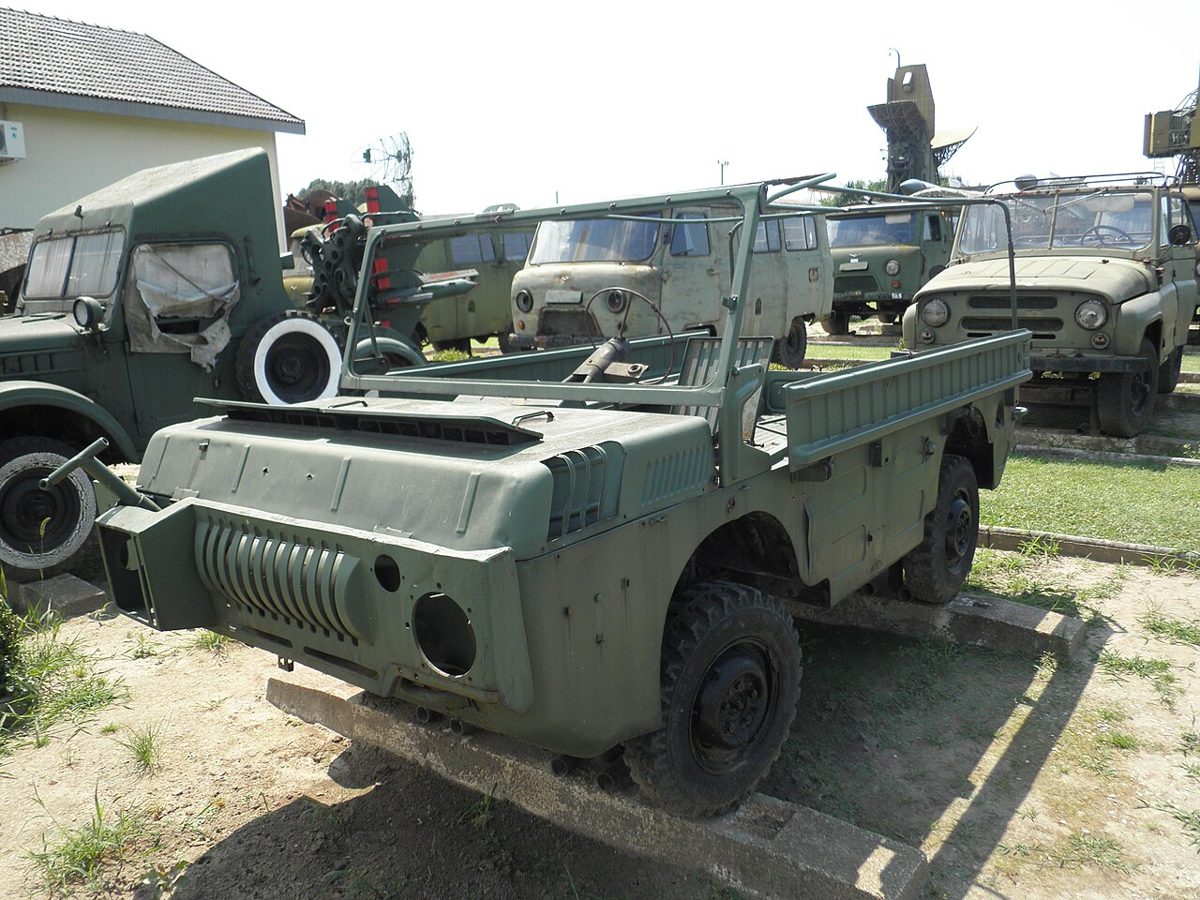
The Call of the Front Line: Birth of the TPK
The origins of LuAZ are not found in civilian leisure, but in the brutal requirements of Cold War military strategy. Following the Korean War, Soviet military planners realized they lacked a lightweight, air-transportable vehicle capable of supporting airborne forces (the VDV). They needed something that could be dropped by parachute, navigate swampy terrain, evacuate the wounded, and even cross rivers without a bridge. The project, designated "TPK" (Transportyor Perednego Kraya, or Front-line Transporter), was handed to the Scientific Automotive Institute (NAMI) in Moscow. This was a high-stakes endeavor; the vehicle had to be light enough for a transport plane but robust enough to carry a payload across a battlefield.
Led by engineer Boris Futterman, the design team experimented with several prototypes, including the fiberglass-bodied NAMI-049. However, the rigors of paratrooper service required something tougher. By the early 1960s, the design had evolved into the LuAZ-967. This was a vehicle unlike anything else in the Soviet arsenal. It featured a watertight steel hull, a centerline driving position, and a fold-down steering column that allowed the driver to operate the vehicle while lying prone—minimizing the target profile during combat. Production was eventually moved to the Lutsk Automobile Plant in Ukraine, marking the beginning of the LuAZ brand as we know it. The TPK was a masterpiece of specialized design, featuring a flat deck that could accommodate two stretchers and an assistant, effectively serving as a front-line ambulance that could navigate terrain inaccessible to even the most rugged trucks.
The TPK’s development was a series of engineering triumphs. The requirement for air-transportability dictated every dimension. It had to be compact, with a low center of gravity and a weight that wouldn't strain the parachutes or the aircraft’s cargo floor. The use of an air-cooled engine was a strategic choice: it removed the vulnerability of a radiator and simplified the cooling system, which was vital for a vehicle that might be dropped into an unknown environment with limited support. The 967 was not just a vehicle; it was a survival tool for paratroopers, designed to be as versatile and unbreakable as the men who operated it.
Air-Cooled Ambitions: The MeMZ V4 Engine
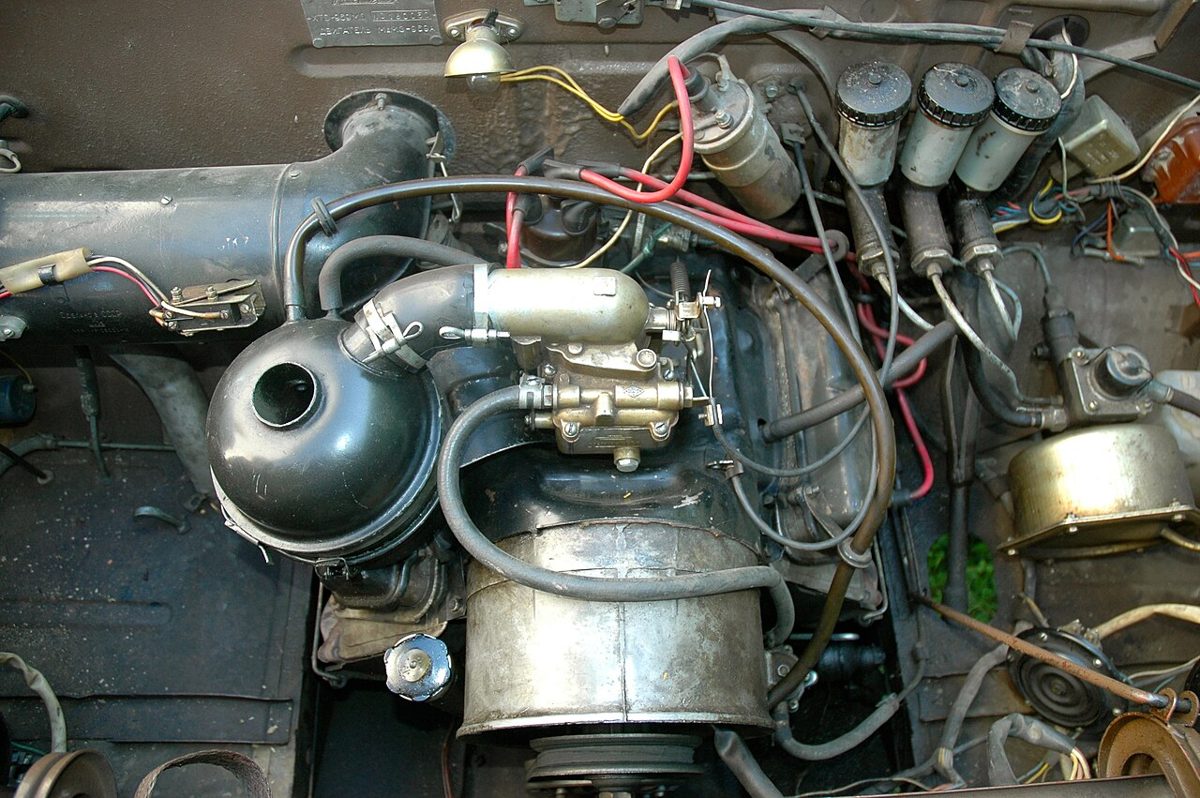
At the center of every air-cooled LuAZ lies the MeMZ engine, produced by the Melitopol Motor Plant. This engine family is perhaps the most defining characteristic of the brand for enthusiasts. The most common variant used in the LuAZ series was the MeMZ-968, a 1.2-liter V4. Why a V4? The configuration was chosen for its compactness and the ability to fit into small engine bays without sacrificing displacement. Being air-cooled made it ideal for military use; there was no radiator to puncture, no coolant to freeze in the Siberian winter, and no water pump to fail in the heat of the Central Asian deserts. The engine was a marvel of packaging, with its 90-degree V-angle allowing it to sit low in the chassis, improving the vehicle's stability.
The MeMZ-968 featured a 90-degree V-angle and was constructed largely from magnesium alloy (Elektron), making it exceptionally light for its size. For air-cooled fans, the technical details are a delight: separate finned cylinders, a gear-driven camshaft, and a massive axial fan that pulled air through the engine bay. While it only produced around 40 to 50 horsepower in its various iterations, its torque curve was well-suited for the low-speed, high-gear-reduction requirements of off-road driving. The distinct "chug" of the V4 is a signature sound of the LuAZ, a mechanical melody that signals the vehicle's readiness to tackle the toughest terrain. The engine’s design emphasized accessibility; most maintenance tasks could be performed with a basic toolkit, a necessity for a vehicle intended for use in remote rural areas and battlefields.
One of the most fascinating aspects of the MeMZ V4 was its modularity. Because each cylinder was a separate unit, a single cylinder failure didn't necessarily mean the end of the road. In extreme circumstances, a savvy mechanic could replace an individual cylinder or piston without stripping the entire engine down to the block. The magnesium alloy block, while prone to corrosion if not properly cared for, offered a strength-to-weight ratio that was revolutionary for its time in the Soviet industry. This lightweight heart allowed the LuAZ to maintain a favorable power-to-weight ratio, which is the secret sauce behind its legendary off-road agility. For the air-cooled enthusiast, the MeMZ V4 represents a different branch of engine evolution—one that prioritized ruggedness and field-repairability above all else.
Portal Axles and Torsion Bars: Off-Road Mastery
While the engine provided the power, it was the chassis of the LuAZ that provided the magic. Engineering a vehicle to be both amphibious and capable of traversing deep mud required innovative solutions. The most significant of these was the use of portal axles. Unlike a conventional axle where the half-shaft goes directly to the center of the wheel, a portal axle uses a gear reduction box at each hub. This allows the axle tube and the differential housing to be tucked much higher up under the body, dramatically increasing ground clearance. This is the same technology used in the Mercedes-Benz Unimog and the Humvee, but LuAZ brought it to a much smaller and lighter platform.
A LuAZ-969M, despite its diminutive size, boasts a ground clearance of approximately 280mm (about 11 inches)—more than many modern specialized off-roaders. This is further enhanced by an independent torsion-bar suspension on all four wheels, which allows each tire to maintain contact with uneven ground. The drivetrain was equally clever: it was primarily a front-wheel-drive vehicle (to improve weight distribution over the front-mounted engine), but it featured a selectable rear-wheel drive, a crawler gear, and a lockable rear differential. This combination made the LuAZ an "all-terrain goat," capable of climbing grades and crossing obstacles that left heavier 4x4s stuck. The crawler gear, in particular, provided a massive reduction ratio, allowing the vehicle to creep over obstacles at a walking pace with maximum torque.
The suspension system was equally robust. Torsion bars were chosen for their durability and their ability to be tucked neatly into the frame, protected from rocks and debris. This independent setup meant that the LuAZ didn't suffer from the "axle-steer" common in solid-axle off-roaders, providing more predictable handling in deep ruts. The integration of the portal axles also provided a natural hub reduction, which reduced the stress on the main drivetrain components. By multiplying the torque at the wheel hub rather than at the differential, LuAZ engineers could use lighter gears and shafts throughout the rest of the system, keeping the overall weight of the vehicle exceptionally low. It was a holistic approach to off-road engineering that prioritized efficiency and clever geometry over brute force.
Transition to Civilian Life: The 969 'Volyn'
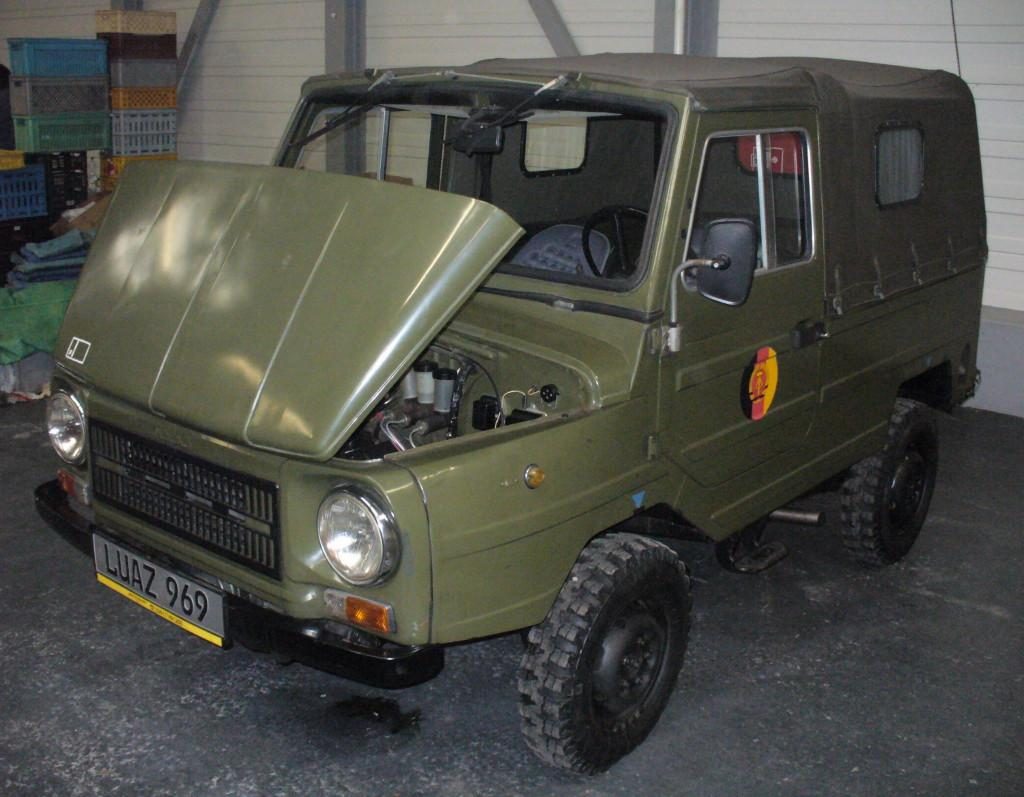
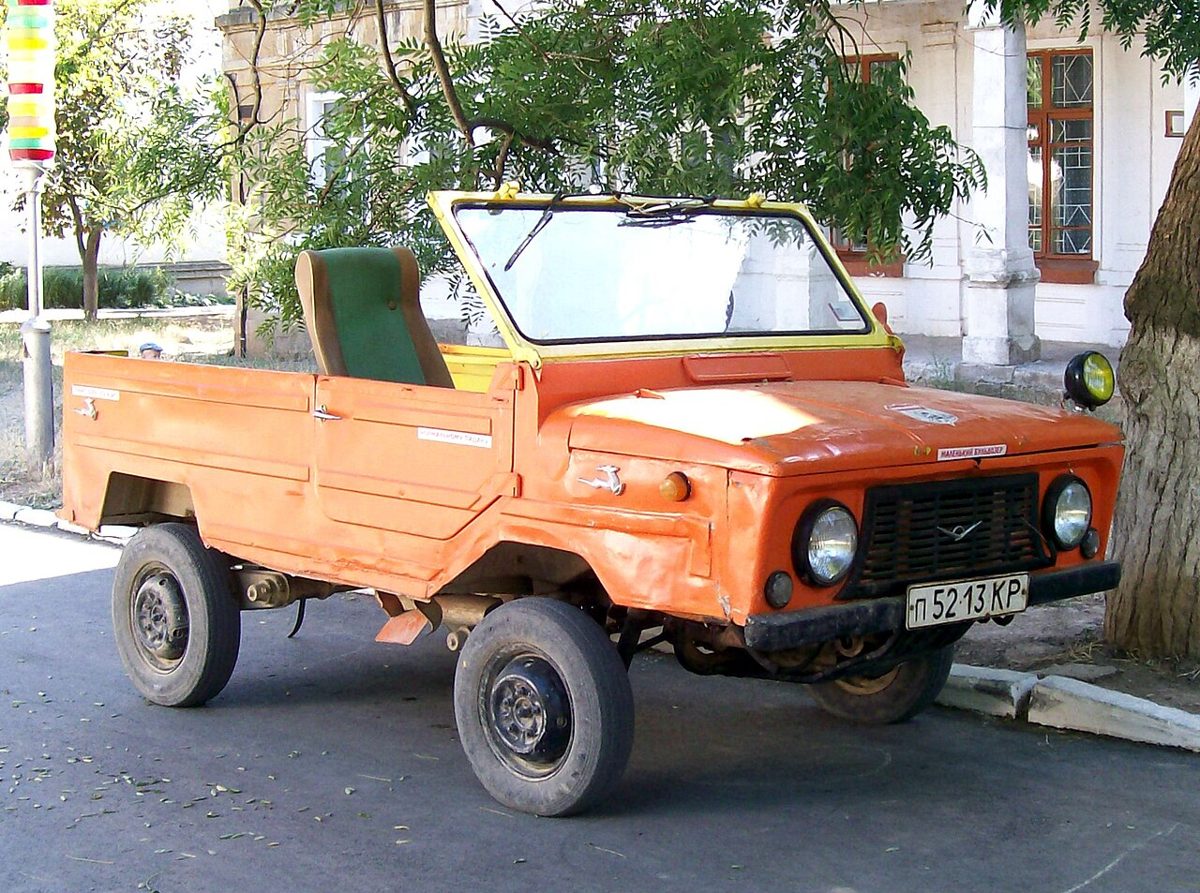
As the 1960s progressed, the Soviet government recognized that the technology developed for the military TPK could be adapted for civilian use, particularly for collective farmers and rural workers who lived in areas where paved roads were a luxury. The result was the LuAZ-969, often called the "Volyn" after the Volyn region of Ukraine. The 969 retained the mechanical layout of its military cousin but replaced the flat, open-topped amphibious hull with a boxy, utilitarian body and a canvas soft top. It was the "Jeep" of the Soviet Union, but with a unique air-cooled twist that made it even more suited to the harsh climates of the East.
The early 969 series was a study in austerity. It lacked almost any creature comforts, focusing entirely on utility. Interestingly, due to production shortages of rear-axle components in the early years, the first civilian model (the ZAZ-969V) was actually the first Soviet car with front-wheel drive. Once parts became available, the full 4x4 capability was restored. The 969 became a common sight in the Soviet countryside, a reliable companion for hunters, farmers, and explorers. Its light weight (under 1,000 kg) meant that even if it did get stuck, a few strong men could often lift it out of a rut—a luxury not afforded to owners of the larger UAZ or GAZ vehicles. The Volyn was built to be used, abused, and repaired in a field, and its popularity grew as people realized that its off-road limits were far beyond what its small size suggested.
For many Soviet families, the LuAZ-969 was their first taste of automotive freedom. While the state-produced Ladas and Moskvitchs were better suited for the city, they were useless once the pavement ended. The LuAZ, however, was in its element in the mud. It allowed people to reach remote dacha communities, transport produce to markets over mountain passes, and explore the vast wilderness of the USSR. The vehicle's simple design also encouraged a culture of "home-brewed" modifications. Owners would often add custom heaters, improve the sealing of the canvas top, or even swap in more powerful versions of the MeMZ engine. This community of resourceful owners helped cement the LuAZ's reputation as a vehicle that could be kept running indefinitely with a bit of ingenuity and a few spare parts.
The 969A and 969M: Modernizing a Classic
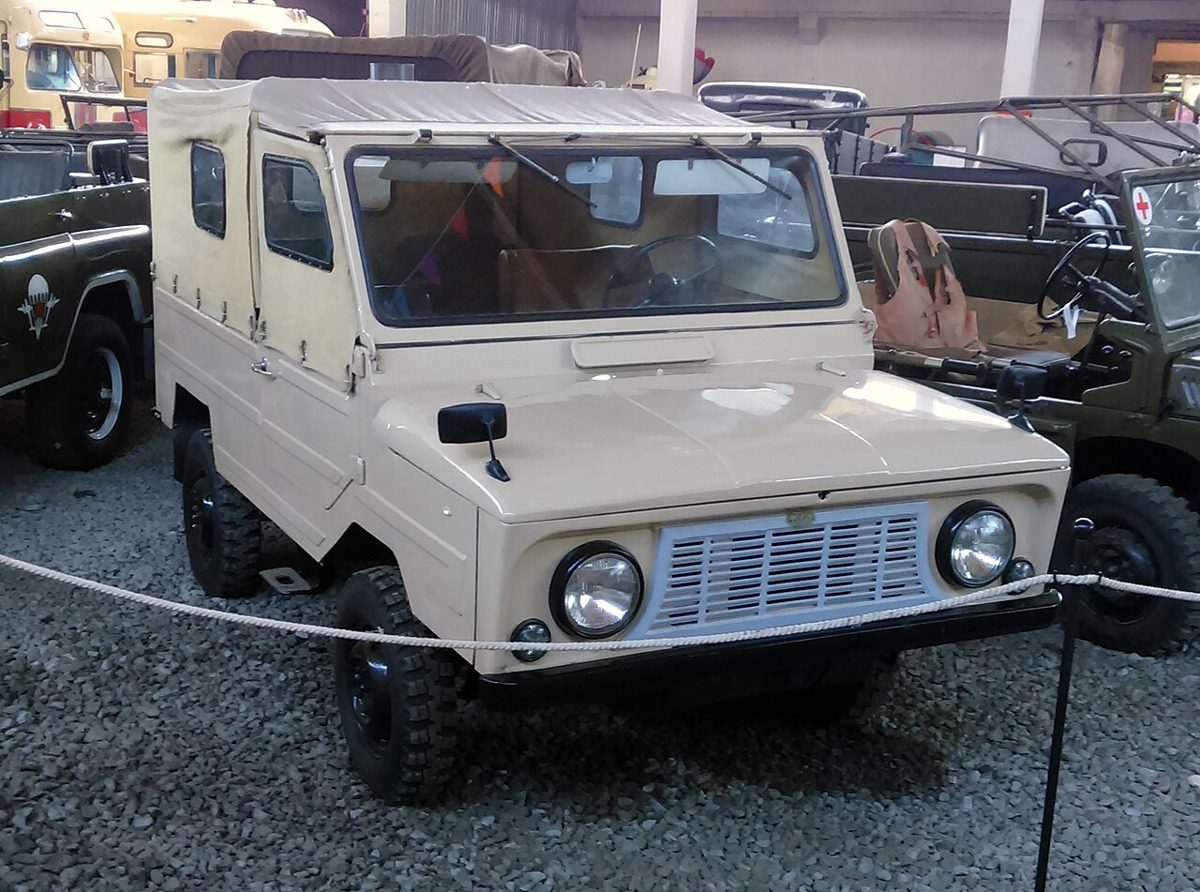
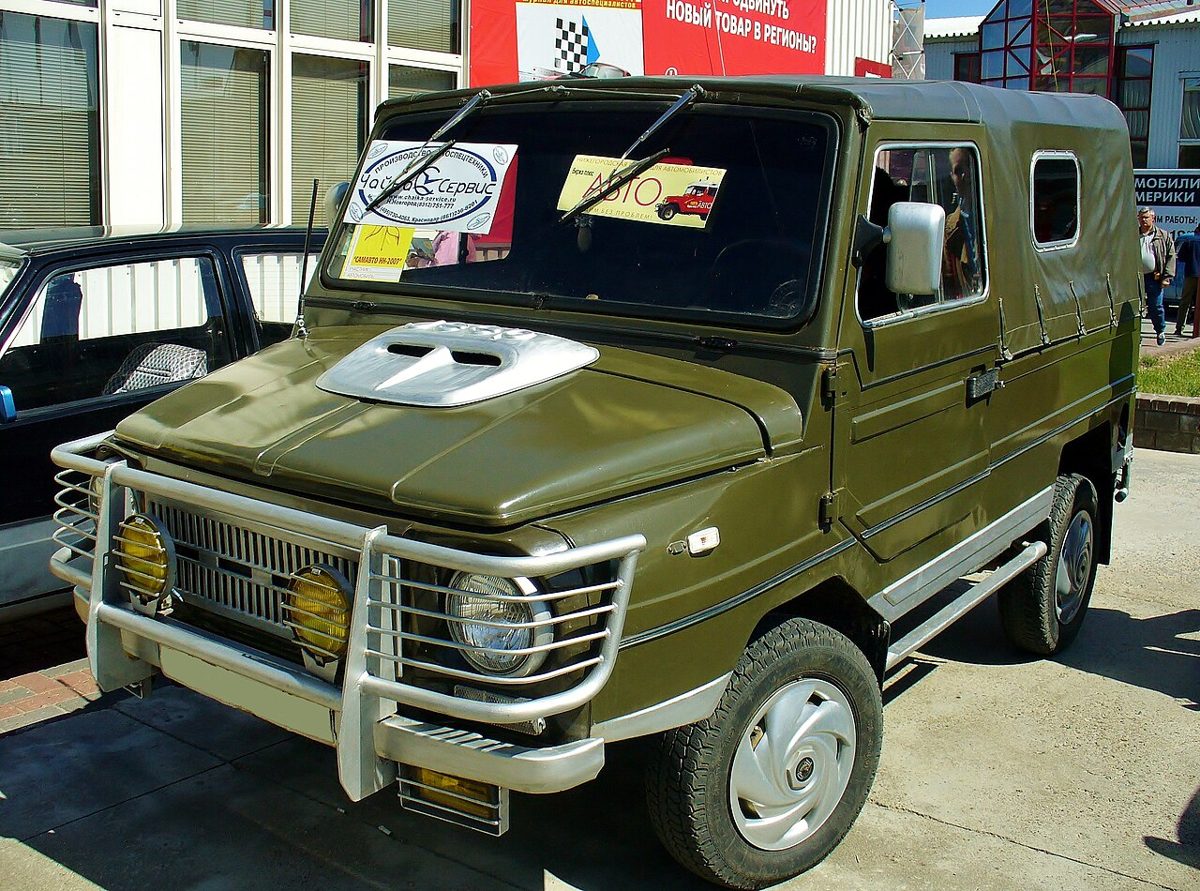
In 1975, the LuAZ-969A was introduced, bringing the more powerful 1.2-liter MeMZ-969A engine into the lineup. This upgrade was a significant boost for the vehicle's road manners, though "road manners" is a relative term for a vehicle with such a short wheelbase and a high center of gravity. However, the most iconic civilian version arrived in 1979: the LuAZ-969M. This model, colloquially known as the "Volynianka," featured a redesigned front end, improved doors with real locks (a luxury previously unheard of), and a more functional interior. The "M" stood for "Modernized," and while the changes might have seemed subtle to an outsider, they made the vehicle much more liveable for the average driver.
The 969M also introduced dual-circuit brakes with a vacuum servo, making it significantly safer and easier to drive on modern roads. Despite these "modernizations," it remained true to its air-cooled roots. The interior was still mostly painted metal, and the heater—a separate fuel-burning unit since there was no engine coolant to provide heat—remained a source of both warmth and occasional mechanical frustration. For today's air-cooled enthusiast, the 969M represents the sweet spot of the brand's history: it offers the most refined version of the air-cooled experience while retaining all the mechanical purity of the original design. It even received international recognition, winning a gold medal at the 1978 International Motor Show in Turin as one of the best off-road vehicles for rural use.
Driving a 969M today is a journey back in time. The thin-rimmed steering wheel, the long-throw gear lever, and the cacophony of the air-cooled V4 create an immersive environment. You don't just drive a LuAZ; you operate it. The lack of sound insulation means you hear every mechanical process—the whir of the cooling fan, the engagement of the rear differential, and the unique whine of the portal gears. It requires a certain level of physical involvement that modern vehicles have engineered away. For those who find joy in the mechanical soul of a vehicle, the 969M is an absolute treasure, offering a level of character that is simply unmatched by more conventional off-roaders.
The Driver’s Prone Position: Unique Quirks of the 967
To truly understand why LuAZ is so fascinating, one must look back at the specialized features of the military 967. Because it was designed for medical evacuation under fire, the interior layout was highly modular. The driver sat in the center, and on either side, the floor could be flattened to accommodate two stretchers. If the driver came under enemy fire, they could lower the windshield onto the hood, fold the steering column down, and drive while lying flat on their stomach. This "prone driving" capability is virtually unique in the automotive world and speaks to the extreme mission-focused design of the TPK. It turned the vehicle into a low-profile shadow on the battlefield, almost invisible among the tall grass or low shrubs.
Furthermore, the 967 was truly amphibious. While not intended for high-speed naval maneuvers, its watertight hull and the rotation of its wheels allowed it to "paddle" across calm waters at about 3 km/h. It even featured a winch that could be used to pull stretchers across a battlefield or help the vehicle climb up steep riverbanks. These features highlight the incredible engineering density of the LuAZ; it was a tiny machine packed with an array of capabilities that would normally require a vehicle three times its size. The 967 also featured a 12-volt electrical system that was unusually robust for its size, designed to power radio equipment and medical devices in the field.
The amphibious nature of the 967 required constant maintenance of the seals and the hull, but the reward was a vehicle that could ignore the boundaries between land and water. The wheel-driven propulsion in water was surprisingly effective for short crossings, and the vehicle's low weight allowed it to climb out of muddy banks where a heavier amphibious truck would have struggled for traction. The 967 was also designed to be "swimmable" with a full load, meaning it could transport wounded soldiers across a river without risking their lives in a traditional boat. It was a vehicle that embodied the Soviet philosophy of "simple but effective," a machine that did one job exceptionally well without any unnecessary complexity.
A Global Cult: The LuAZ Legacy Today
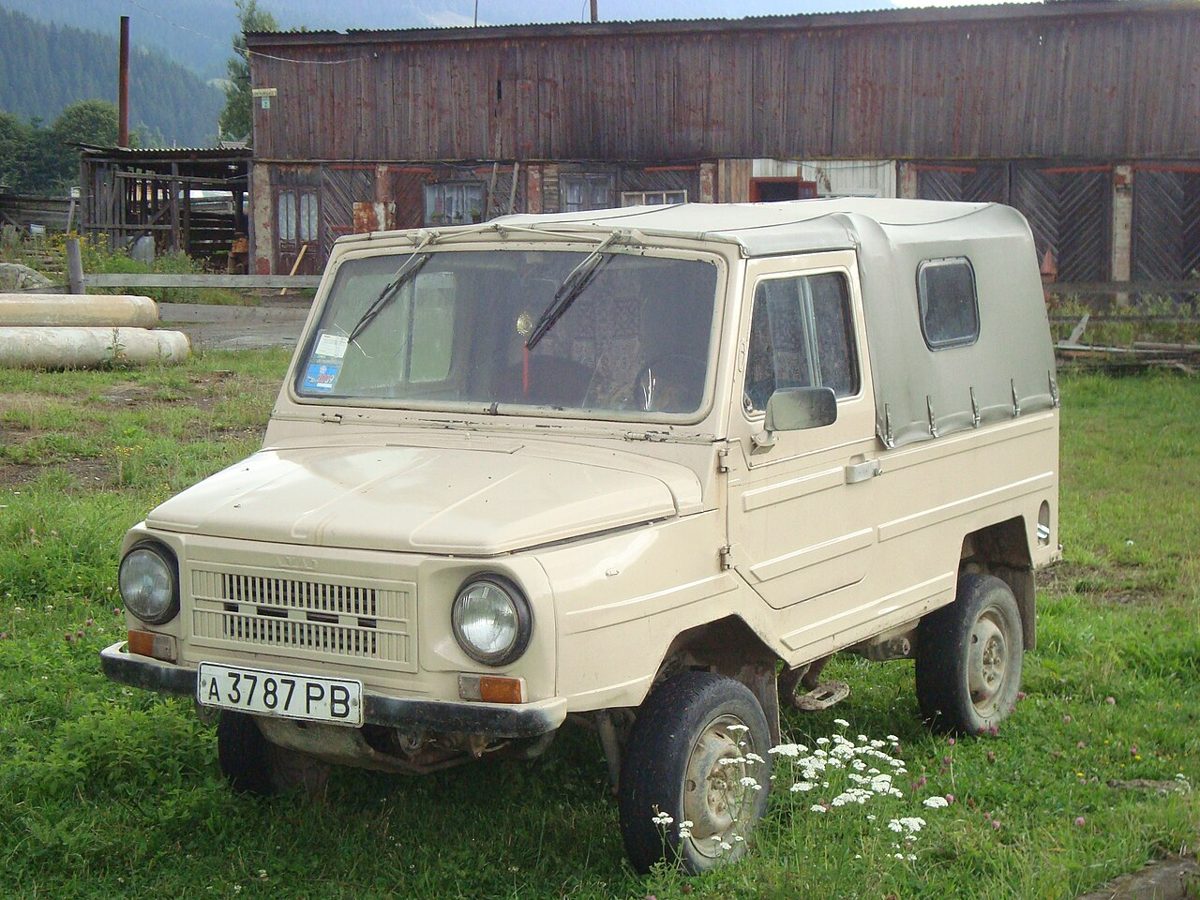
The era of the air-cooled LuAZ began to wane in the late 1980s. As emission standards became stricter and the demand for more powerful, reliable water-cooled engines grew, LuAZ introduced the 1302 model, which used the liquid-cooled engine from the ZAZ Tavria. While the 1302 was a more capable "car," it lacked the soul and the mechanical simplicity that defined the air-cooled era. Production of the 969-based series finally ended in the early 2000s, but the story didn't end there. The plant eventually moved toward assembling other brands' vehicles before the LuAZ brand was largely mothballed, though its name continues to carry significant weight in the enthusiast community.
Today, LuAZ has a dedicated following across Eastern Europe and a growing community of admirers in the West. For the air-cooled enthusiast, it represents a "different" path—a rugged alternative to the more common air-cooled icons. Owners value them for their ability to go where few other vehicles can, their ease of maintenance (an entire engine rebuild can be done on a kitchen table), and their undeniable charm. Whether it's the roar of the V4 on a forest trail or the sight of a 969M effortlessly wading through a river, the LuAZ remains a testament to a time when engineering was driven by necessity and ingenuity rather than marketing budgets. It is a true air-cooled legend, forged in the mud and built to last. The revival of the LuAZ name in recent years for electric vehicles only highlights the lasting power of the brand's identity, even as the world moves away from the internal combustion engine.
Restoring an air-cooled LuAZ is a labor of love that rewards the owner with a vehicle unlike anything else on the road. Parts availability is surprisingly good in Eastern Europe, thanks to the massive production numbers and the interchangeability with ZAZ components. For those in the West, the challenge of importing and maintaining one only adds to the allure. Every LuAZ tells a story of survival, of a machine built to overcome the impossible. As we look back on the history of air-cooled motoring, the LuAZ stands tall as a reminder that some of the greatest engineering feats are found not in luxury showrooms, but in the remote corners of the world where capability is the only currency that matters.
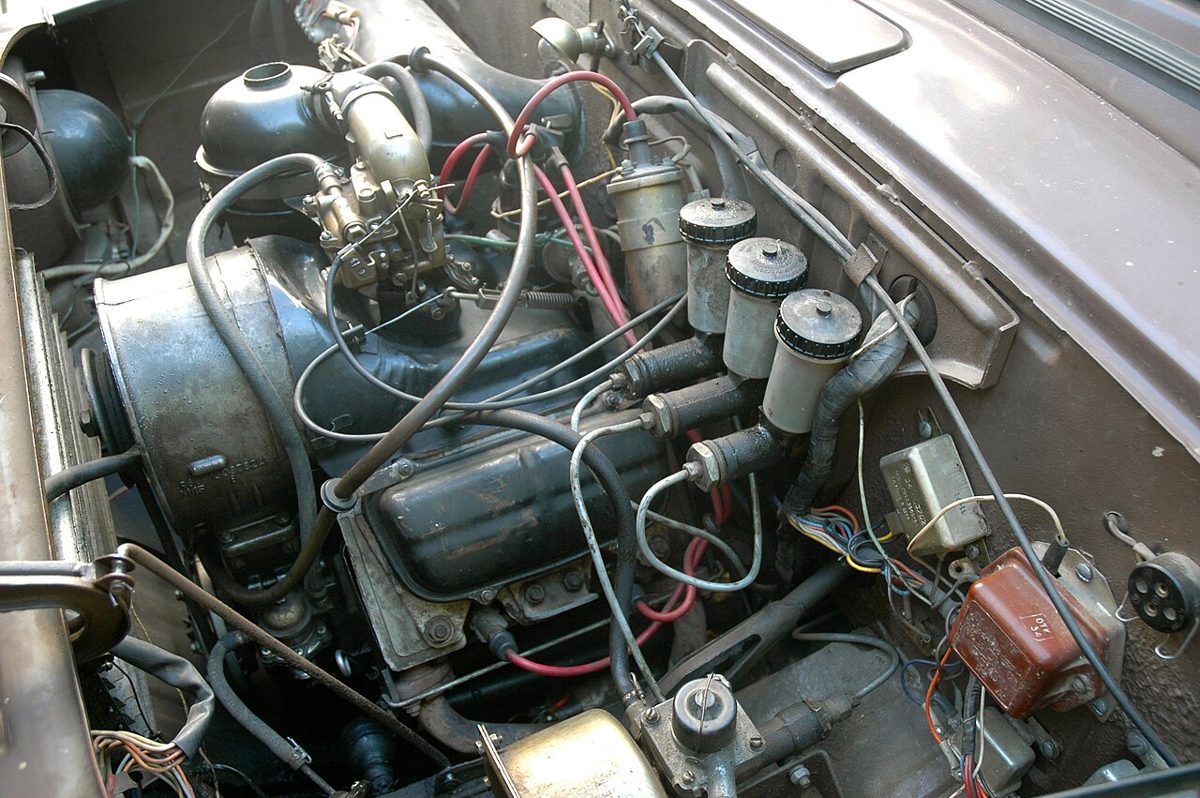
Image credits
- COVER: LuAZ-967 at Army History Museum and Park in Kecel, Hungary. Photo by Cooper6. License: CC BY-SA 4.0.
- IMG1: LuAZ-967 in Army History Museum and Park in Kecel, Hungary. Photo by Cooper6. License: CC BY-SA 4.0.
- IMG2: A photograph of a LuAZ 969. Photo by Thomas doerfer. License: CC BY-SA 3.0.
- IMG3: An early LuAZ-969 in the Moscow Museum of Transport. Photo by DL24. License: CC BY-SA 4.0.
- IMG4: MeMZ-969A engine mounted in a LuAZ off-road vehicle. Photo by VargaA. License: CC BY-SA 3.0.
- IMG5: LuAZ-969M on exhibition in Nizhny Novgorod. Photo by Arnar Ram 2. License: CC BY-SA 3.0.
- IMG6: Early LuAZ-969 in Kacha, Sevastopol. Photo by Zinnsoldat. License: CC BY-SA 3.0.
- IMG7: A LuAZ vehicle in Verkhovyna, Ukraine. Photo by On tour. License: CC BY-SA 3.0.
- IMG8: MeMZ-969A engine installed in a LuAZ off-road vehicle. Photo by VargaA. License: CC BY-SA 3.0.