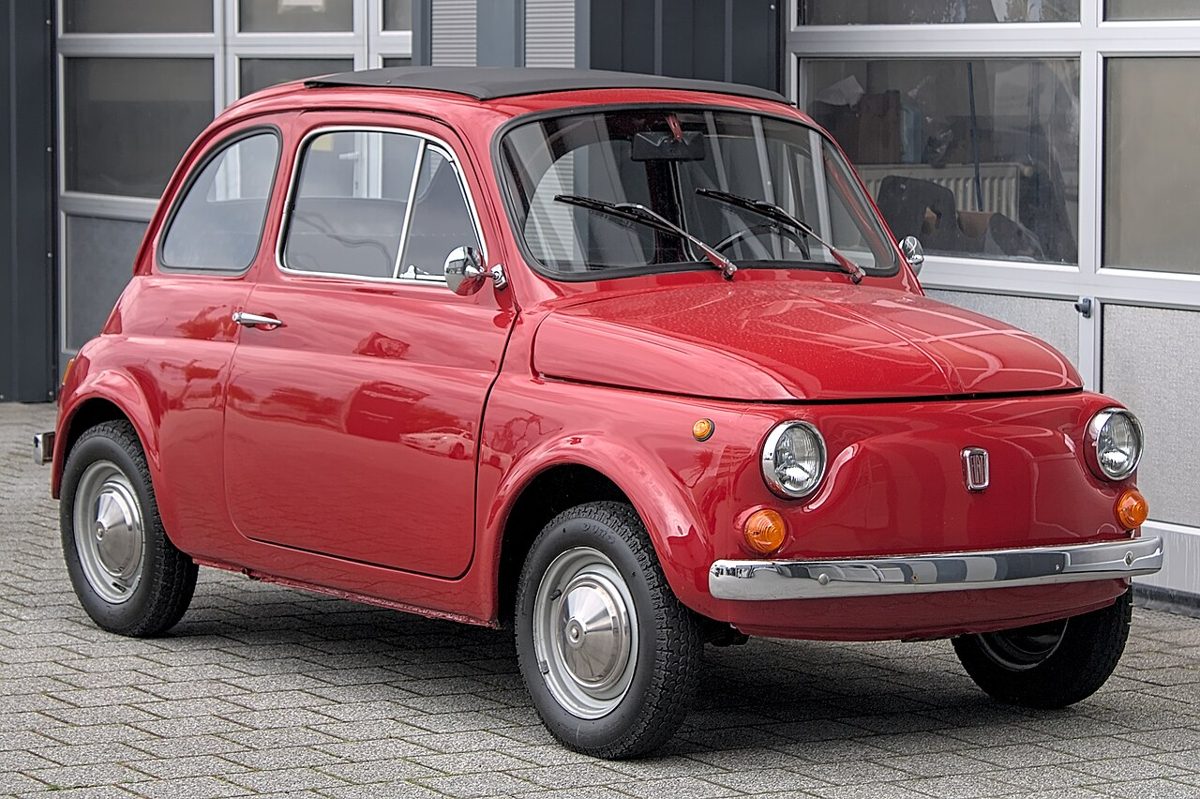
Fiat, the Fabbrica Italiana Automobili Torino, stands as the cornerstone of Italian industrial identity, a titan born in 1899 that transformed Italy from an agrarian society into a modern powerhouse. Based in the Lingotto and later the Mirafiori plants in Turin, Fiat has always focused on mobility for the masses. While the brand has produced everything from grand luxury tourers to heavy trucks and aircraft engines, its global legacy is inextricably linked to the small, affordable cars that motorized Europe after World War II. At the heart of this post-war miracle was a series of simple, robust, and characterful air-cooled engines that powered the most beloved vehicles in the company's history. These machines were more than just transport; they were symbols of the Dolce Vita and the Economic Miracle, providing freedom to millions in a compact, efficient package that only the Italian spirit could conceive.
The Birth of the Nuova 500
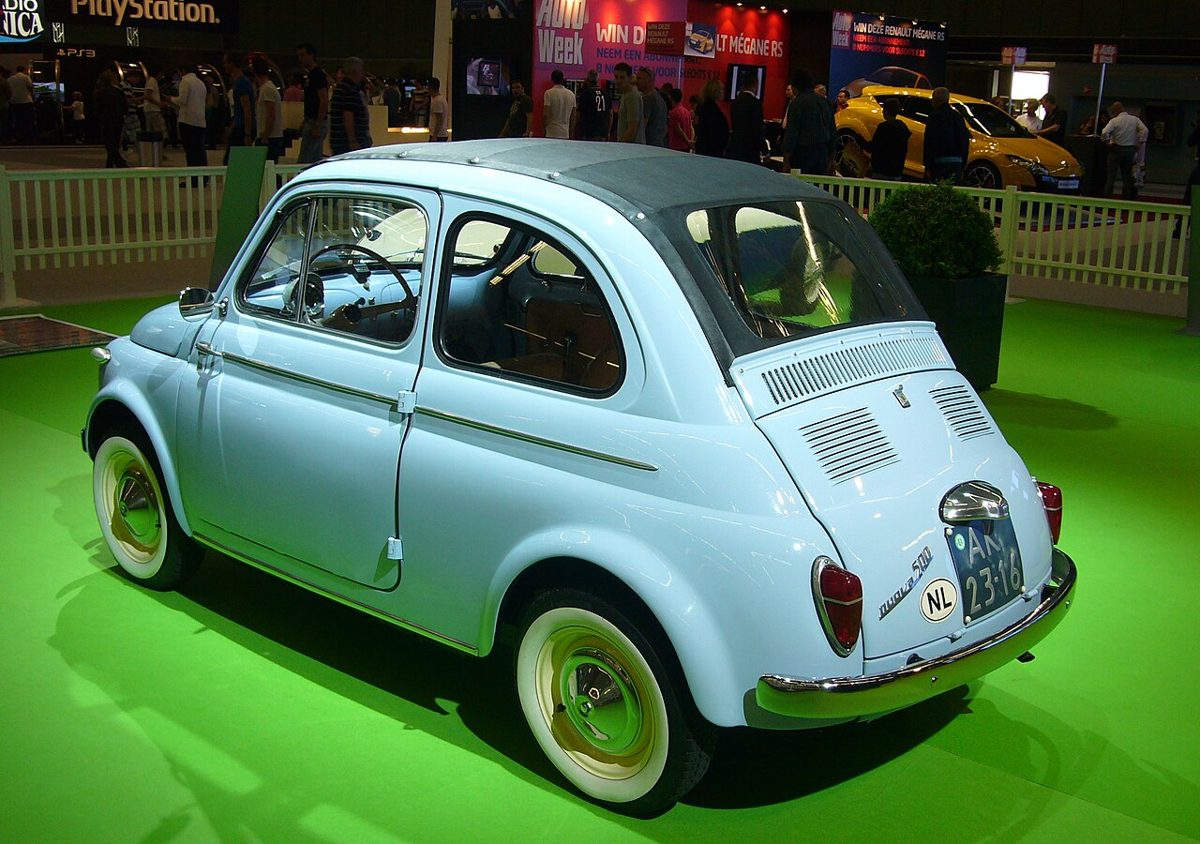 In the mid-1950s, Fiat faced a daunting challenge. The beloved 500 Topolino (Little Mouse), which had served Italy since the 1930s, was aging. It was a front-engine car that was relatively expensive to produce and cramped for its size. The legendary engineer Dante Giacosa, a man whose name is synonymous with Fiat's greatest triumphs, was tasked with creating a successor that was even smaller, cheaper, and more efficient. Giacosa understood that to maximize interior space in a car less than three meters long, the traditional front-engine, rear-drive layout had to go. The solution was the Nuova 500, launched in July 1957. Unlike the water-cooled 600 that had preceded it by two years, the Nuova 500 would utilize a rear-mounted, air-cooled engine. This choice eliminated the radiator, water pump, and complex plumbing, saving both weight and cost. The resulting car was a marvel of economy of means. Every curve of the body was designed for strength rather than just aesthetics, and the fabric roof—originally a full-length Transformable design—was a clever way to save steel during a time when materials were still scarce and expensive. The reception was initially cool, as the car was perceived as too Spartan, but Fiat quickly adjusted the trim and power, and the 500 soon became the darling of the Italian streets.
Technical Brilliance: The Air-Cooled Twin
The heart of the Nuova 500 was its vertical two-cylinder engine. Displacing just 479cc in its initial form, the engine was a masterpiece of minimalist engineering. Air cooling was achieved via a large centrifugal fan driven by the fan belt, which forced air through a complex sheet-metal shroud and over the finned cylinders and cylinder head. This system was remarkably effective, provided the belt remained intact and the fins stayed clean of oil and debris. The engine's sound—a rhythmic, chugging thrum-thrum—became the soundtrack of Italian cities, echoing off the stone walls of ancient alleyways. Because it was a parallel twin, both pistons moved up and down together, creating inherent primary vibrations. Giacosa countered this by mounting the entire engine-gearbox assembly on a clever leaf-spring mount at the rear and substantial rubber mounts at the front. This isolated the cabin from the worst of the shaking, though the idle remained a charmingly visceral experience that vibrated the steering wheel and the rear-view mirror. With just 13 horsepower initially, the 500 was not fast, but its low weight and rear-engine traction made it surprisingly nimble. The four-speed gearbox was unsynchronized, requiring a deft touch and the double-clutch technique—a skill that became a point of pride for generations of drivers.
The Lusso and Later Iterations
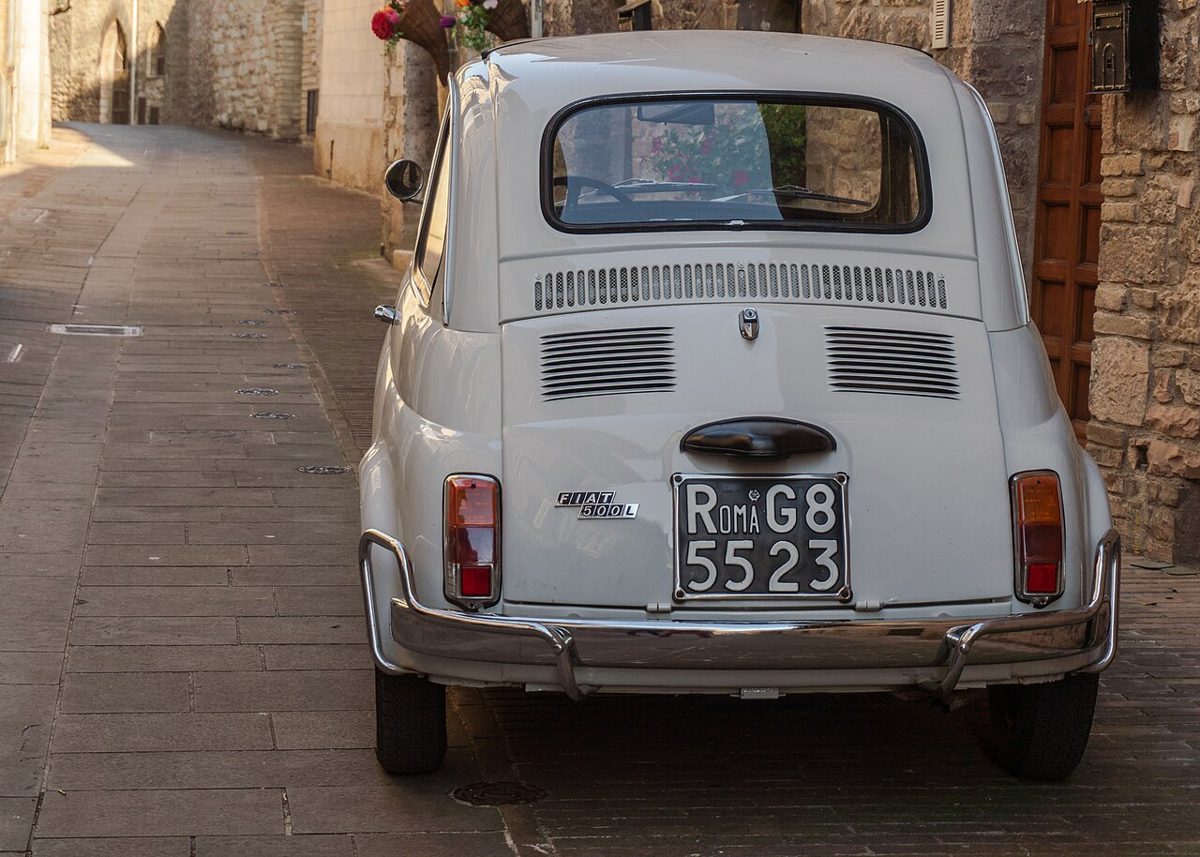 As the 500 evolved, Fiat refined the formula to meet the growing expectations of the Italian public. The Nuova 500 N was followed by the D in 1960, which introduced the 499cc engine that would become the standard for years. This unit produced a more respectable 17 horsepower, allowing the car to keep pace with modernizing traffic. The D also saw the introduction of a half-length sunroof, replacing the full-length fabric of the Transformable, and a folding rear seat that significantly enhanced the car's utility. However, it still featured the suicide doors (rear-hinged) that defined the early models, providing excellent access but posing a safety risk if they opened at speed. In 1965, the 500 F arrived, marking a major turning point with the switch to front-hinged doors for safety. The F was the most produced variant, a rugged and simple machine that remains the quintessential 500 for many collectors. For those seeking a bit more prestige, the 500 L (Lusso) arrived in 1968, featuring extra chrome nudge bars on the bumpers, a more modern dashboard with a rectangular speedometer instead of the round unit, and pleated vinyl interior trim. The final iteration, the 500 R (Rinnovata) of 1972, served as a bridge to the future. It utilized the larger 594cc engine from the upcoming 126, detuned to 18 horsepower, and featured simpler styling with the new Fiat rhomboid logo and plain wheels.
The Versatile Giardiniera
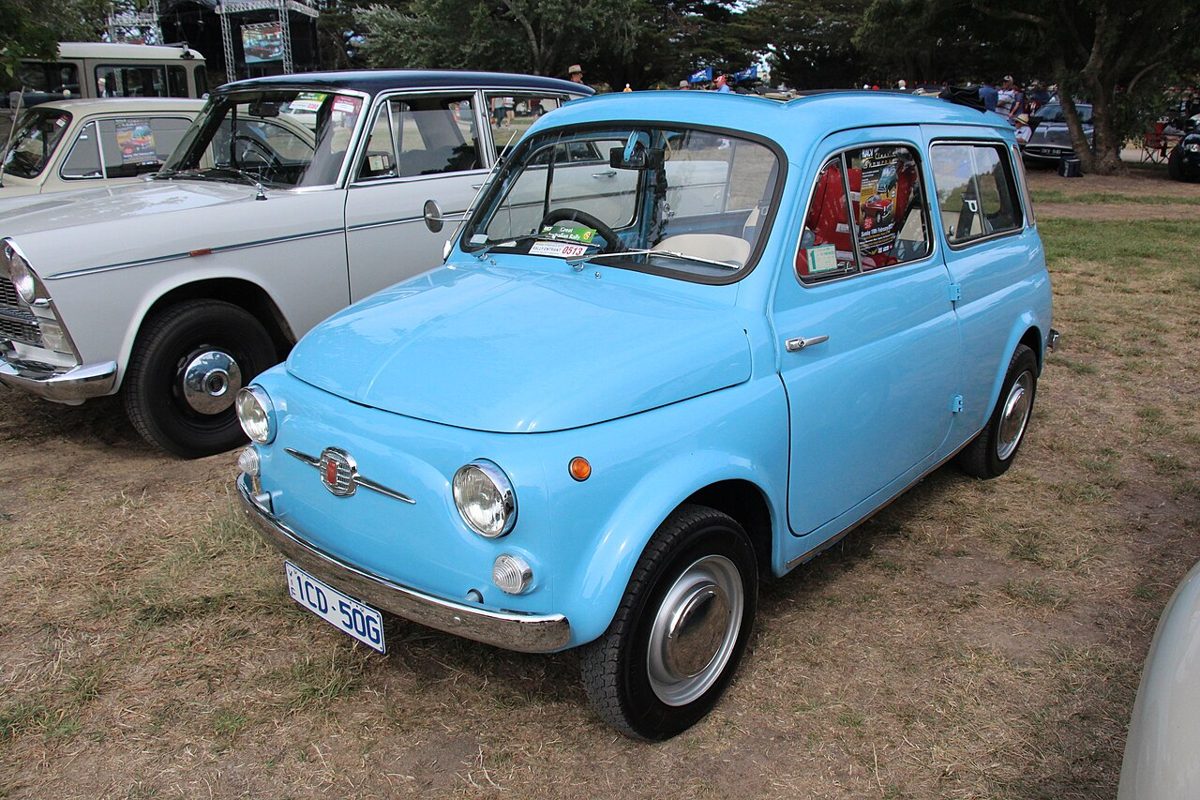 While the standard 500 was a masterpiece of space efficiency, it was still a tiny two-door sedan. For families and tradesmen who needed more room, Giacosa engineered one of the most clever variants in automotive history: the 500 Giardiniera (Gardener). Launched in 1960, the Giardiniera featured a wheelbase stretched by 10 centimeters and an estate body style with a side-hinged rear door. The real genius, however, lay underneath the cargo floor. To create a flat loading area, Giacosa turned the air-cooled twin on its side, creating a flat-twin or sole engine. This required a completely redesigned cooling system with a different fan arrangement and a new oil sump, but it achieved a perfectly flat floor in the rear. The Giardiniera could swallow a surprising amount of cargo for its tiny footprint, making it a favorite of delivery drivers and large families alike. Interestingly, the Giardiniera retained suicide doors until the very end of its production in 1977, long after the sedan had switched to front-hinged doors. In 1966, production was transferred to Fiat's subsidiary, Autobianchi, where it continued to be built with high quality. The Giardiniera was a miniature workhorse that proved air-cooled simplicity could be adapted for any task, and it remains a sought-after rarity today for its unique mechanical layout.
Abarth’s Performance Sting
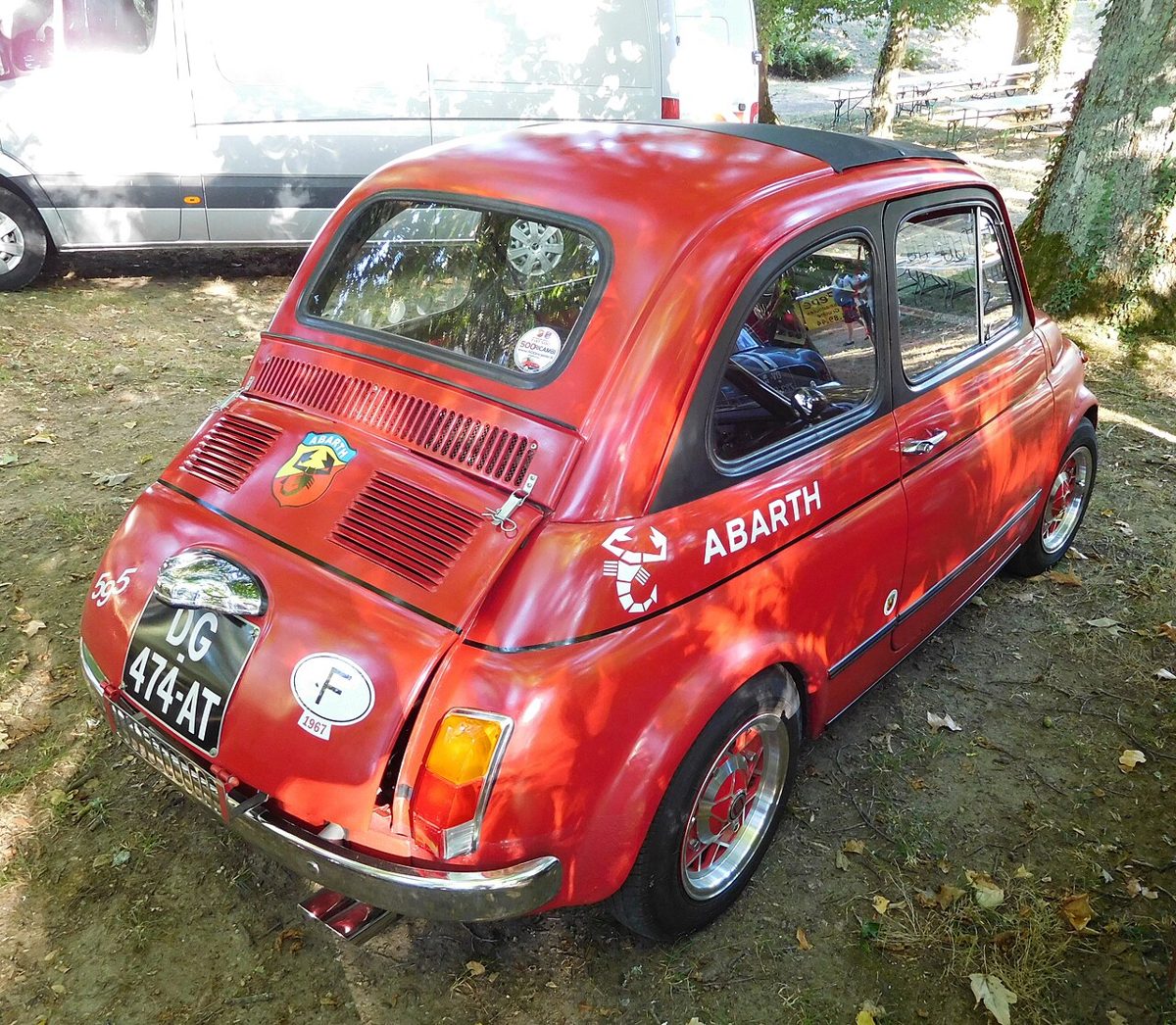 No history of Fiat’s air-cooled era is complete without mentioning Carlo Abarth. The Austrian-born tuner saw the potential in Giacosa's tiny twin and set about transforming the people's car into a giant-killer on the racetrack. Abarth's modifications were legendary: bored-out cylinders, high-compression pistons, radical camshafts, and the iconic Solex or Weber carburetors. The Abarth 595 and later the 695 became the stuff of legend, often seen with their rear engine lids propped open by specialized latches to improve cooling and accommodate larger exhaust systems—a look that became synonymous with Italian performance. These cars were not just about power; they featured stiffened, lowered suspensions and wider wheels that allowed them to corner with tenacious grip. On the hill climbs and circuit races of Europe, the Abarth-tuned 500s frequently embarrassed much larger and more powerful machinery, earning them the nickname the small but wicked. The sound of an Abarth exhaust—a rasping, aggressive bark—was a far cry from the polite thrum of the standard car. Abarth didn't just build cars; he built a culture of performance that allowed the average enthusiast to feel like a racing driver, proving that air-cooled simplicity was a perfect canvas for speed and technical expression.
The Boxy Evolution: Fiat 126
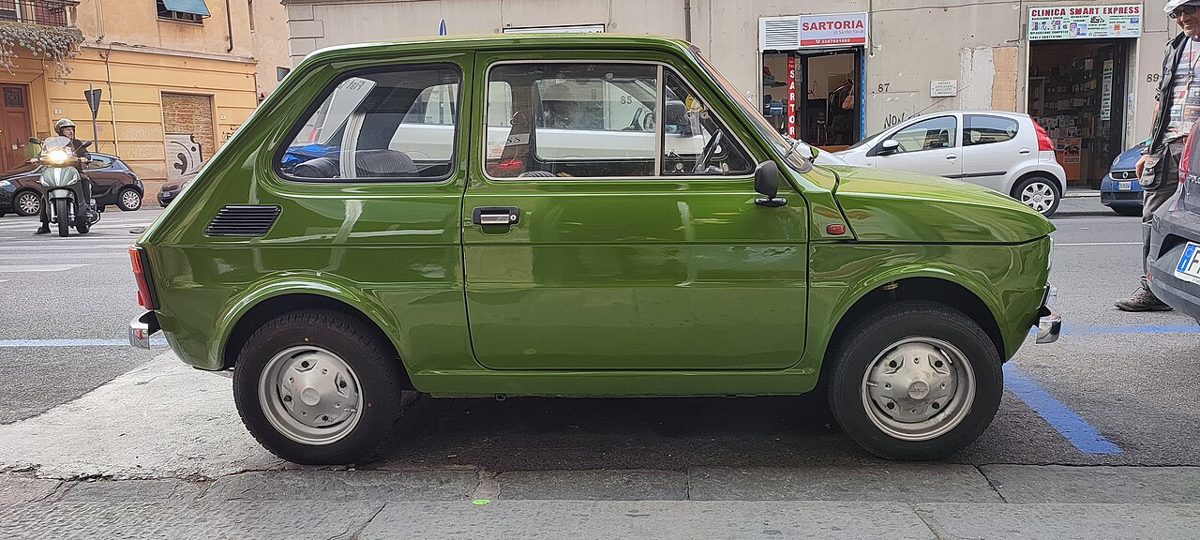 By the early 1970s, the automotive landscape was changing. Safety regulations and a desire for more modern, boxy styling led Fiat to develop a successor to the 500. The result was the Fiat 126, introduced at the 1972 Turin Auto Show. While the body was entirely new—a crisp, angular design that echoed the larger Fiat 127—the mechanical heart of the 126 was pure 500. It utilized the same rear-engine, air-cooled layout, initially with the 594cc twin from the 500 R. The 126 offered significant improvements in safety, including a fuel tank moved under the rear seat rather than in the front luggage compartment, and a collapsible steering column. The interior was more spacious and featured a more ergonomic dashboard, making it a more comfortable companion for the longer journeys that were becoming common as Europe's highway network expanded. In 1977, the engine was enlarged to 652cc, providing a bit more torque for modern city traffic. Although it lacked the cute, anthropomorphic charm of the 500, the 126 was a more capable and modern vehicle that carried the torch of air-cooled simplicity into a new decade. It was a car of its time—efficient, safe, and unpretentious—and it served as the foundation for one of the most successful international licensing programs in history.
Poland’s People’s Car
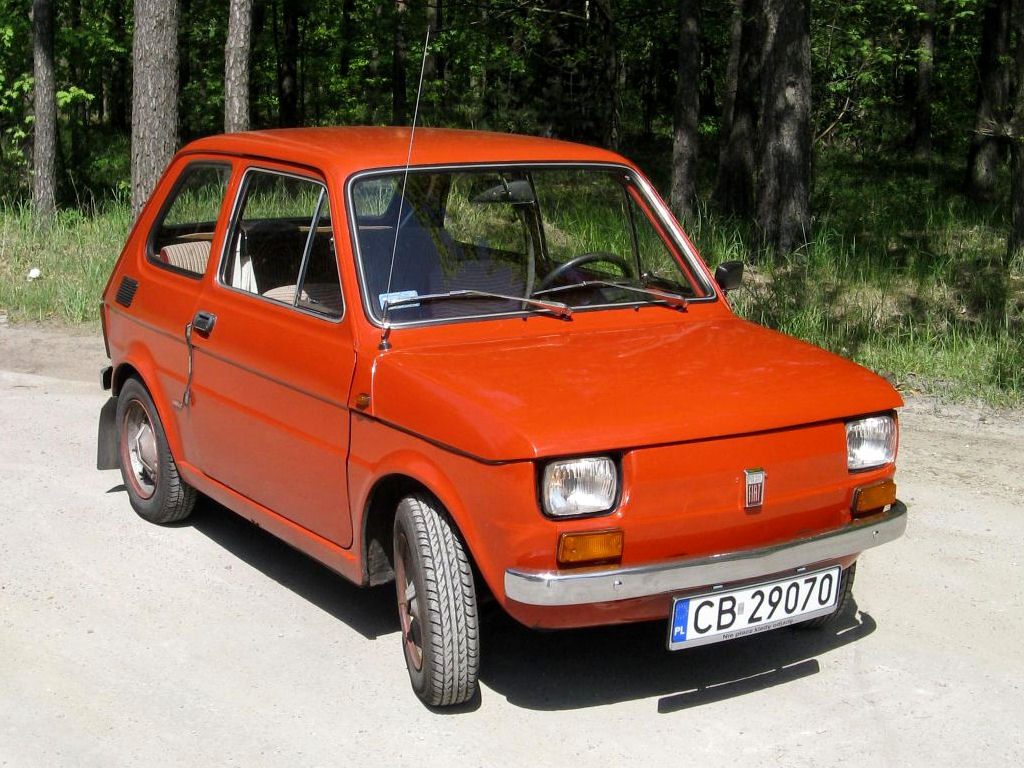 In Poland, the 126 became more than just a car; it became a national icon and a symbol of freedom. Produced under license as the Polski Fiat 126p, it became the vehicle that motorized an entire nation under the communist regime. Affectionately known as the Maluch (Little One), it was often the only car available to Polish families, who would wait years for the privilege of owning one. Production at the FSM plants in Bielsko-Biała and Tychy continued long after Italian production had ceased, with the final cars rolling off the line in September 2000. These late Maluchs were remarkably evolved, featuring electronic ignition and catalytic converters, yet they remained faithful to the air-cooled twin for the vast majority of their life. The 126p proved the enduring relevance of Dante Giacosa's original concept for over four decades, outliving many of its more modern competitors and becoming a cornerstone of Polish culture.
Austrian Innovation: Steyr-Puch
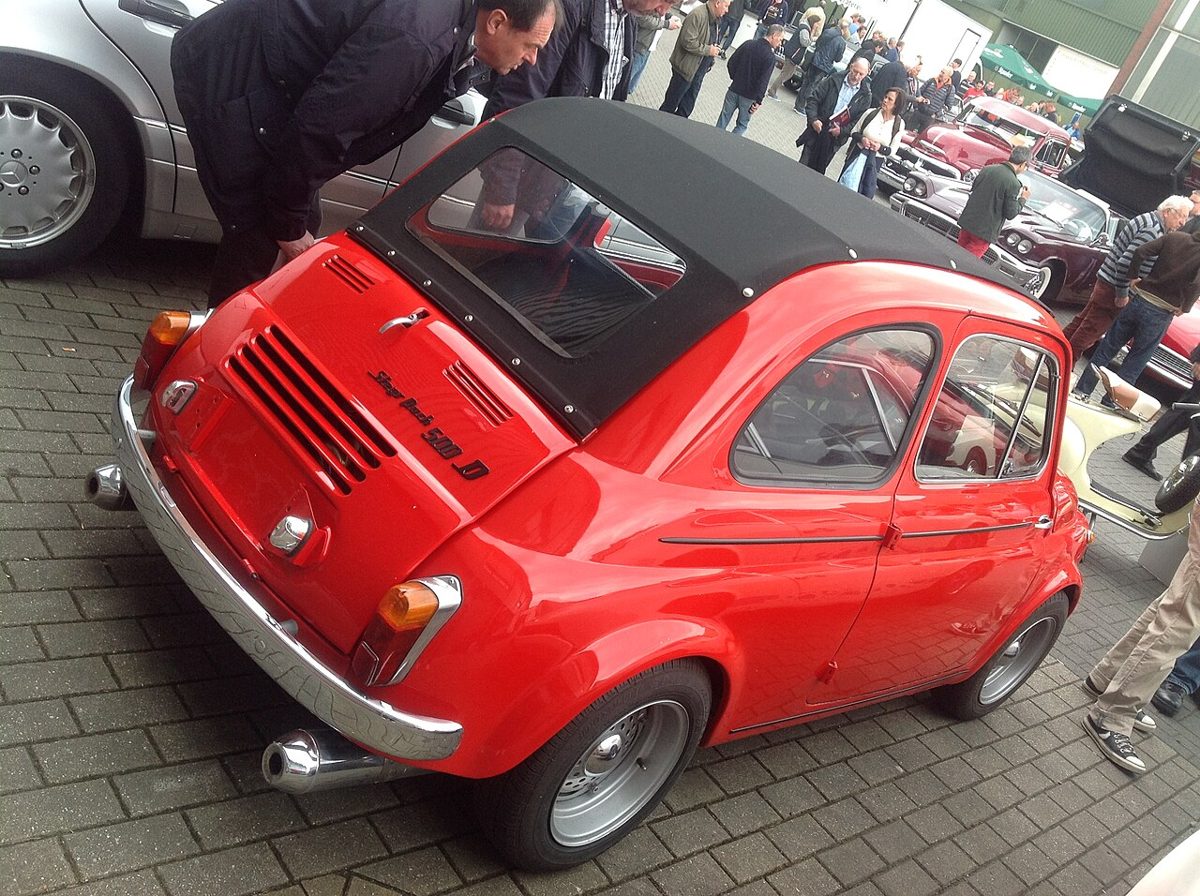 While the Italians and Poles focused on inline twins, the Austrians at Steyr-Daimler-Puch took a different approach. Under a licensing agreement to build the 500 body, they chose to install their own proprietary 493cc air-cooled boxer twin. This engine was smoother and inherently more powerful than the Fiat unit, making the Steyr-Puch 500 a formidable performer, especially in the steep passes of the Alps. The Steyr-Puch variants, particularly the 650 TR, gained a fierce reputation in rallying. In 1966, the Polish driver Sobiesław Zasada famously won the European Rally Championship in a Steyr-Puch 650 TR, proving the platform's world-class potential. The Austrian variant remains a high-water mark of technical development for the air-cooled small car, combining Italian style with Germanic engineering precision.
The legacy of Fiat's air-cooled era is a testament to the power of simple, purposeful design that prioritizes the needs of the many. From the sun-drenched streets of post-war Italy to the snowy mountain passes of Austria and the bustling cities of Poland, these two-cylinder wonders provided the heartbeat of a continent in motion. They were cars that required very little, but gave so much in return: character, reliability, and an undeniable sense of joy. Today, as we move toward an era of silent electric pods, the clatter of a Fiat twin remains a poignant reminder of a time when motoring was visceral, accessible, and deeply human. And in that rhythmic thrum, one can still hear the echoes of a nation finding its feet and a world discovering the simple pleasure of the open road.
Image credits
- Red Nuova 500 (Cover) — Alexander Migl, CC BY-SA 4.0
- 1959 Fiat 500 Nuova — Rutger van der Maar, CC BY 2.0
- 1960 Fiat 500 Giardiniera — Sicnag, CC BY 2.0
- Fiat 500 L in Assisi — Marco Ober, CC BY-SA 4.0
- 1967 Fiat Abarth 595 — Cjp24, CC BY-SA 4.0
- Fiat 126 in Pisa — Tariqmehtab86, CC BY-SA 4.0
- Polski Fiat 126p — P-szat, Public domain
- Steyr-Puch 500 D — Andrew Bone, CC BY 2.0